


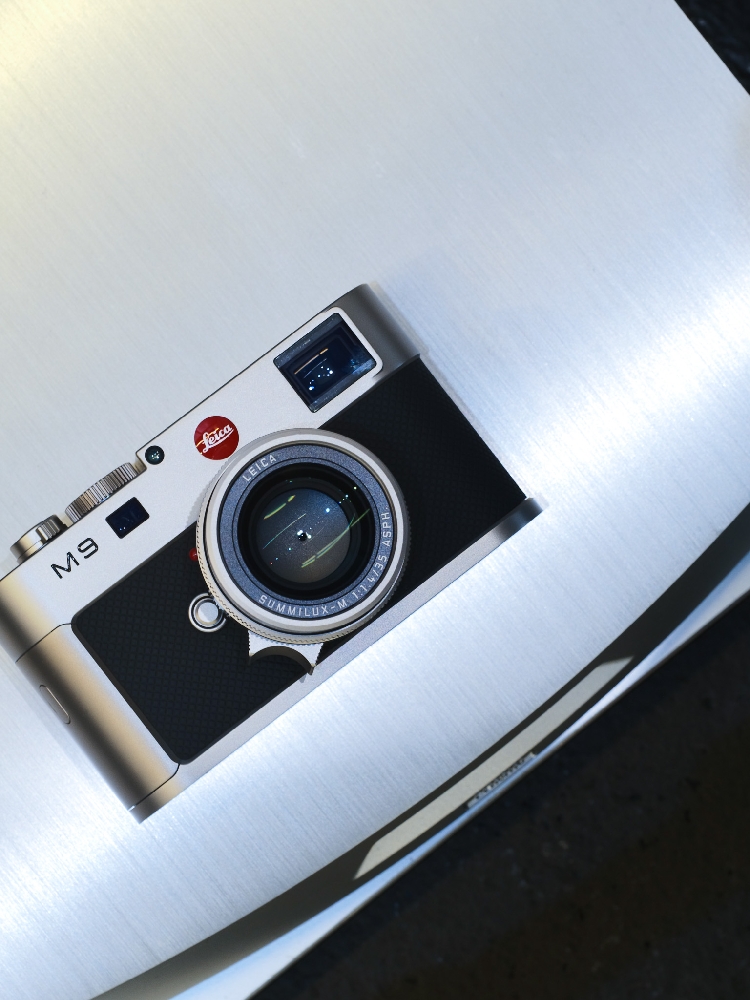
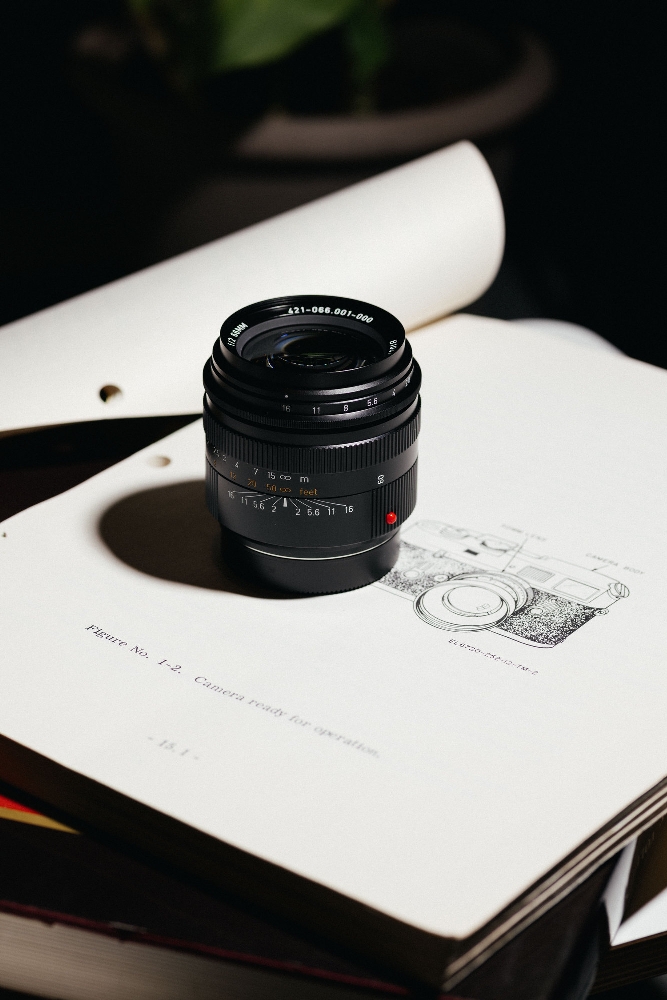
On 3 September 2026 Leica did something it had never done before: it put the rarest lens Ernst Leitz ever built — a lens designed for U.S. Naval Intelligence, never sold to a civilian, never listed in a catalogue — back into production. The Summicron-M 66 f/2 is limited to 660 numbered pieces, and it is a direct homage to Dr. Walter Mandler's ELCAN 66mm f/2, of which roughly 200 were ever made.
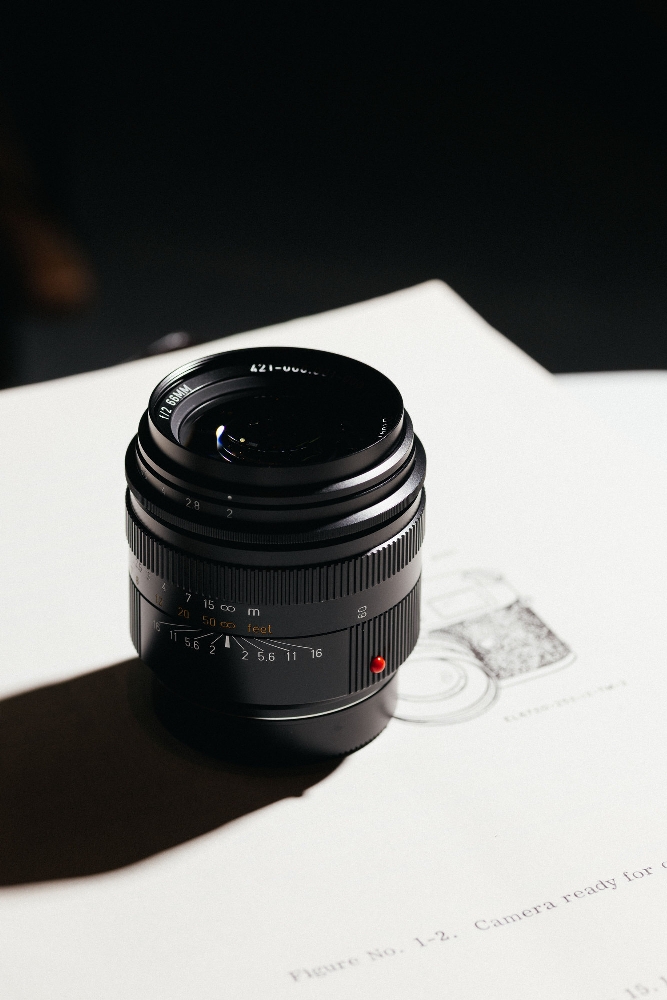
We have handled both. This is what the original was for, what Leica kept, what it quietly changed — and which of the two you actually want.
The lens that was never meant to be sold
In the late 1960s the U.S. Naval Intelligence Service went to Ernst Leitz Canada in Midland, Ontario with an unusual brief: build a lens that looks like any other lens on a rangefinder camera, and make it resolve better than anything else in the world.
Walter Mandler — the same designer behind the Noctilux 50mm f/1.2 and the 8-element Summicron — answered it with a 66mm f/2. It was fitted to the Leica KE-7A, the militarised M4 built to survive desert heat and Arctic cold, and it went out to observers whose job was to photograph things from a distance and not be noticed doing it.
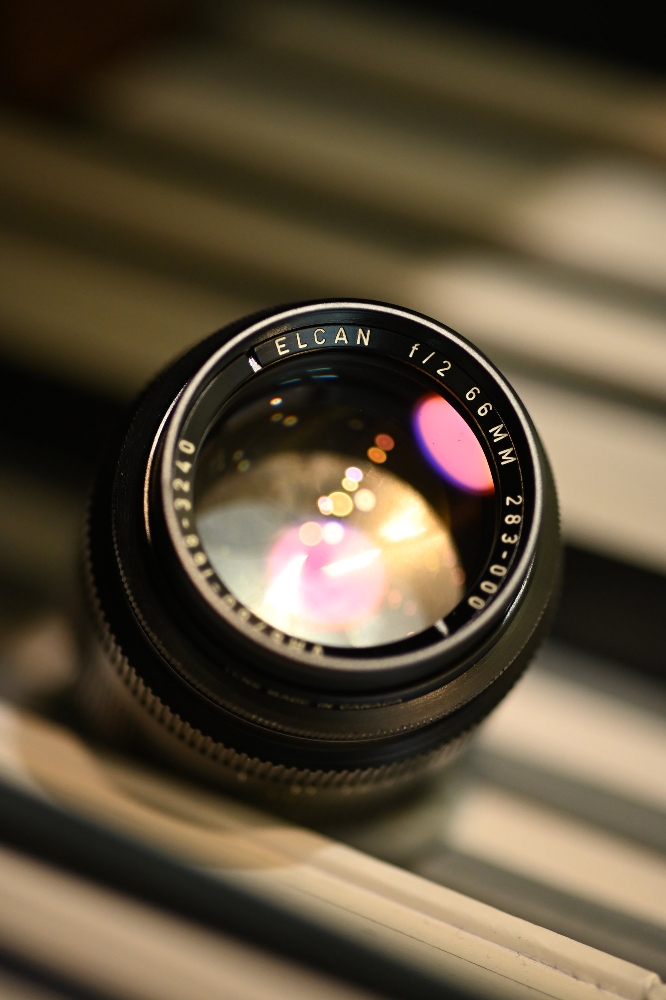
The detail that tells you everything about the programme: the sets were issued with an instruction manual explaining how to destroy the camera and lens if the operator were captured. Leitz built one of the finest optics of the twentieth century and then wrote a procedure for smashing it.
Somewhere around 200 were made. A handful survived the disposal orders. That is the entire supply, and it is why an original in honest condition is one of the few Leitz lenses whose price is set by scarcity rather than by reputation.
Why 66mm?
It looks like an arbitrary number and it is not. Leica's own account is that 66mm was the point where three requirements met: maximum resolution, fine contrast rendition and a compact design. Push longer and the barrel grows and the rangefinder base becomes marginal; pull shorter and you give up resolving power on the subject at the distance the job required.
What it gives you in practice is 36.3° diagonally — narrower than a 50, wider than a 75. On the negative it behaves like a short portrait lens that has not been told it is one: subject separation at three to five metres, without the compression a 90 imposes.
What Leica kept, and what it changed
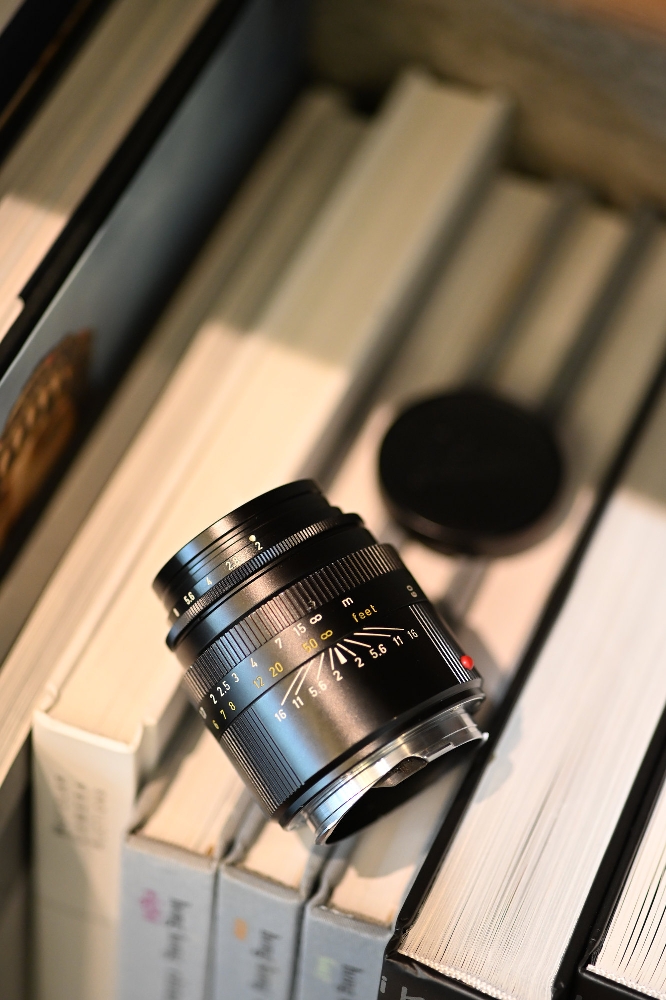
The 2026 lens is a reinterpretation, not a reproduction. It holds the original's six-element, five-group layout and its 1 metre minimum focus, and it deliberately preserves two things no modern lens designer would choose: the reversed aperture ring and the reversed distance scale, both to the original military specification. Pick one up expecting normal M behaviour and your thumb will go the wrong way.
| ELCAN 66mm f/2 (original) | Summicron-M 66 f/2 (2026) | |
| Made | Ernst Leitz Canada, Midland — approx. 200 pieces, late 1960s onward | Wetzlar — 660 numbered pieces, 2026 |
| Designer | Dr. Walter Mandler | after Mandler; optical calculation number B1047 |
| Optical design | 6 elements in 5 groups | 6 elements in 5 groups, modern coatings |
| Aperture | f/2–f/16, reversed ring | f/2–f/16, reversed ring, 9 blades |
| Minimum focus | 1m | 1m |
| Filter | E39 | E49 |
| Weight | never published | approx. 456g, 60.1mm long |
| Front ring reads | ELCAN — MADE IN CANADA | LEITZ — MADE IN GERMANY |
| 6-bit coding | no | no — select the profile manually on a digital M |
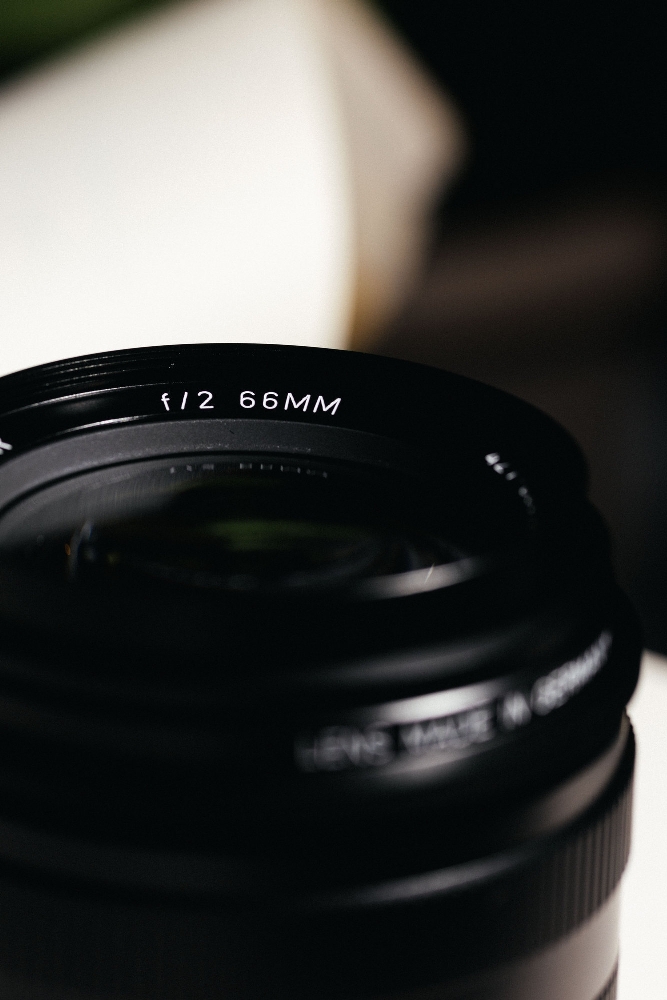
Leica did not reuse the ELCAN name, and it did not reuse Canada. The 2026 lens is honest about being a Wetzlar tribute rather than a fake — which is exactly what you want if you also collect the original.
How the original actually draws
Everything below was shot on the original ELCAN 66mm f/2 in Hong Kong.
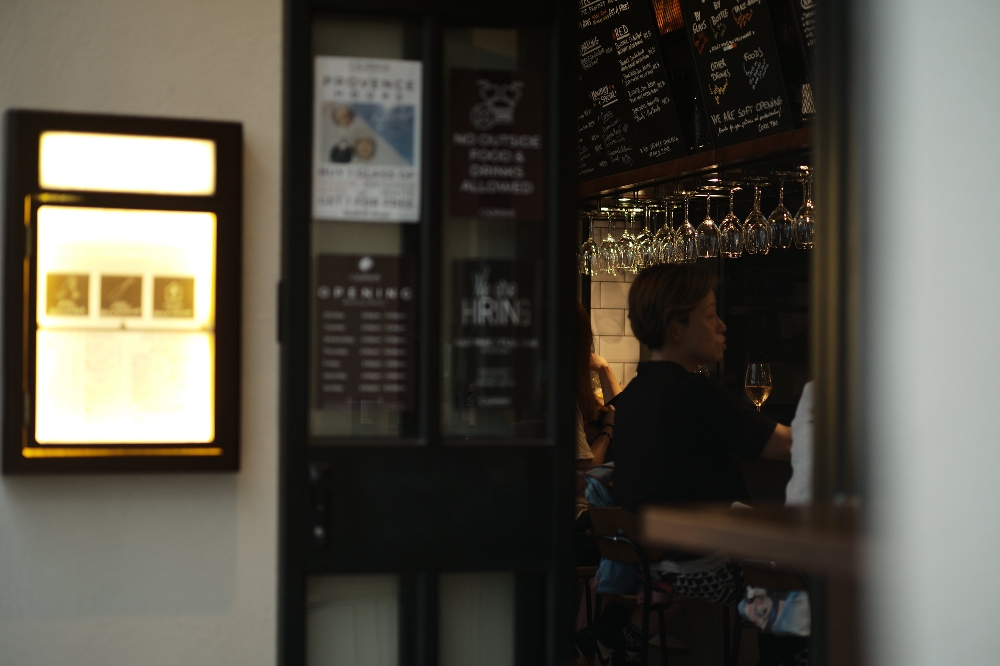
Two things show up immediately. The first is that the lens is sharp at f/2 in a way that does not feel modern — the detail is there, but it arrives without the hard-edged acutance a current aspherical Summicron gives you. Resolution high, micro-contrast restrained. That is the Mandler signature, and it is why the files grade so easily.
The second is the transition. Focus falls off gently rather than snapping, and at three to five metres — the distance this lens was built around — the subject sits forward of the background without the cut-out look.
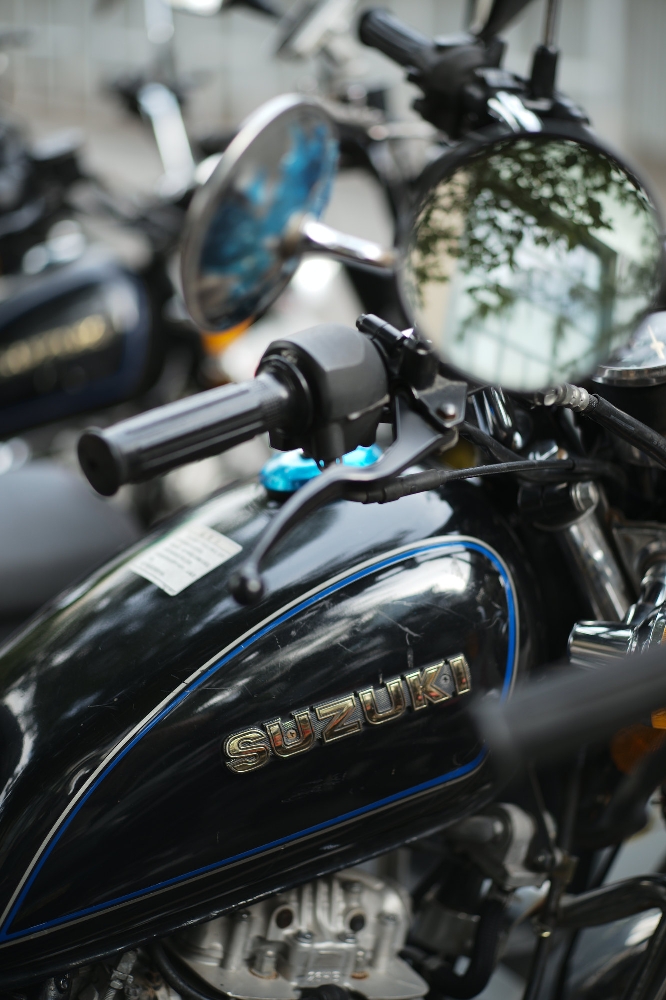

Colour is the surprise. Against a modern lens the ELCAN runs cooler and quieter — a narrower palette, less saturation pushed at you, greens that stay green instead of turning acid. On the banyan above that is the whole photograph: a dozen shades of the same colour, separated only by tone.
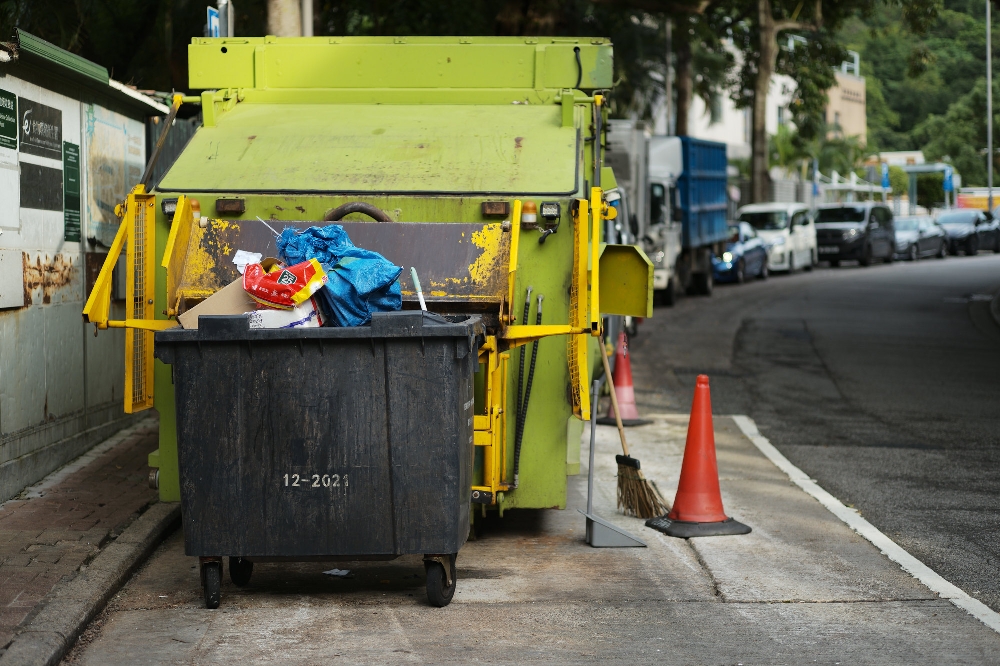
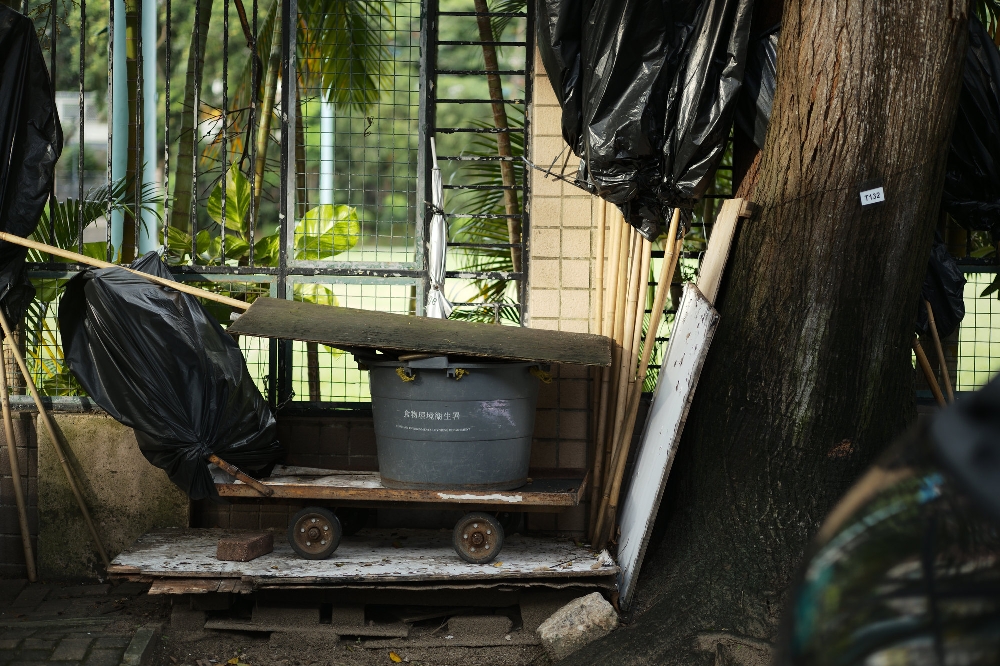
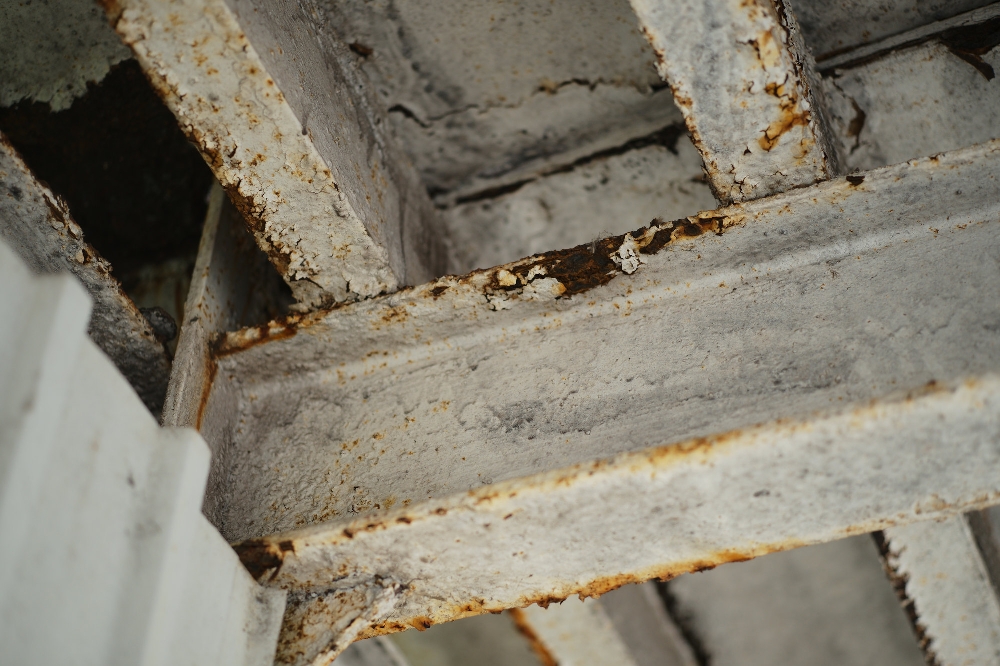
Texture is where the resolution announces itself. The rust, the spalled concrete, the peeling bark — these are the frames where you can see what the Navy paid for. Fine structure is resolved down to the limit of the film or sensor, and it is resolved evenly, without the centre being obviously better than the rest.
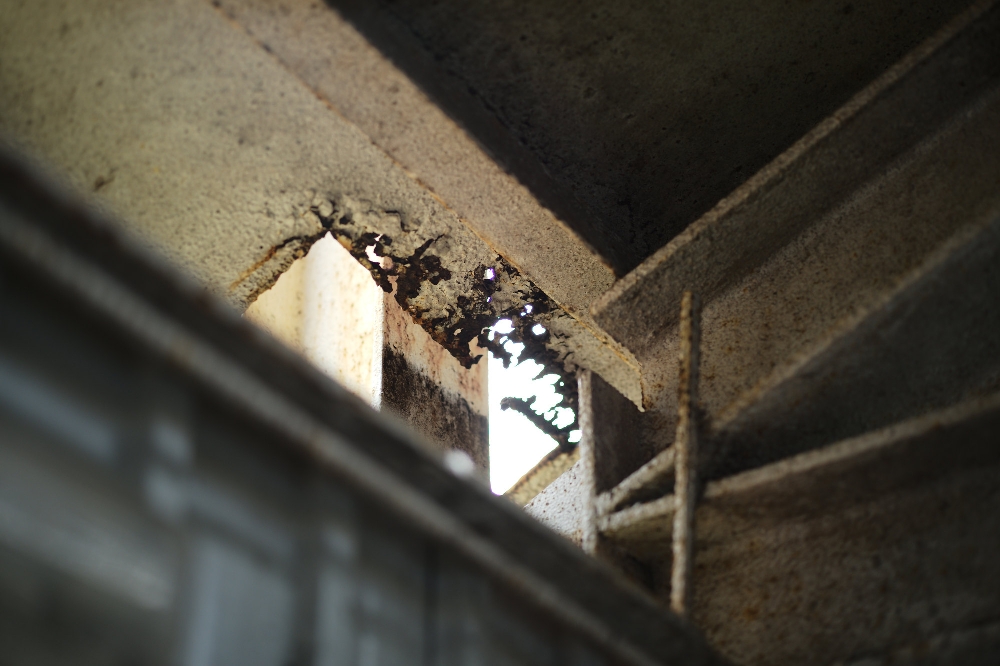


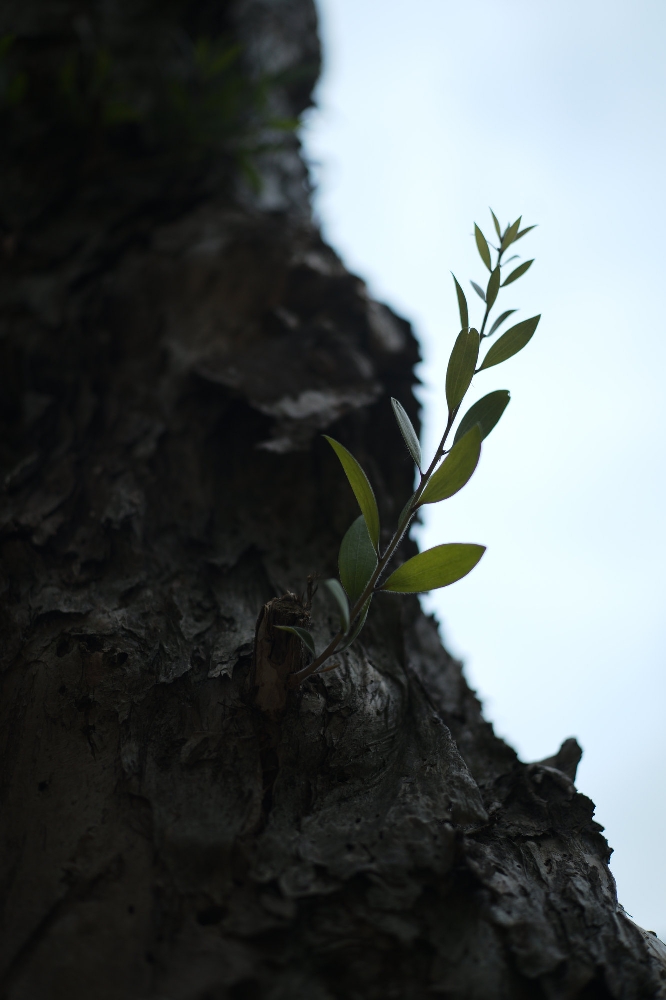
All frames above: original Leica ELCAN 66mm f/2, Hong Kong.
And then the honest limitation: one metre. There is no close focus on this lens and there never was — it was designed for a man standing across a street, not across a table. If you photograph people at arm's length, both the original and the reissue will frustrate you.
What we can't tell you yet
We have not shot the Summicron-M 66 f/2. We have had it in hand — the reversed rings, the weight, the way it sits on the body — but no frames, nothing we would stand behind. Every word above about rendering is about the original ELCAN, from our own negatives. We would rather say that plainly than pad the piece with impressions borrowed from someone else's review.
So the interesting part is still open. Whether modern coatings make it a genuinely different lens, or the same drawing with sixty years of haze cleaned off it, is something the 660 people who end up with one will find out before we do. If you are one of them, we would like to see what comes back.
This is not a sales post. It is a good story — a Cold War optic that was issued with instructions for its own destruction, brought back sixty years later by Wetzlar rather than Midland — and it deserved writing down properly.
The original, though, we do handle from time to time.